Increasing Access to Sustainable and Renewable Energy Alternatives to benefit people in Uganda
The Albertine Rift Valley is advantaged with major natural resources such as lakes, rivers, forests, rift valleys, wetlands, hills and fertile soils. Such resources are of great importance for national and international biodiversity conservation: they contribute to numerous benefits (e.g. tourism revenue, water catchment functions and provision of energy, food, employment and income) for local communities living adjacent to the protected areas in the region. The limited access to modern energy coupled with high levels of poverty incidence in this region has resulted in over reliance on unsustainably produced biomass and cooking technologies with serious implications on the environment and people.
Kiima Foods and partners therefore seeks to increase access to sustainable and renewable energy options in the Albertine Graben with focus on the Albertine Rift Valley to reduce the demand for biomass energy thereby contributing to conservation of high value forest ecosystems to benefit people and nature in the districts of Kasese, Kabarole, Mitooma, Rubirizi, Bunyangabu, Bundibugyo, Kisoro and Kagandi.
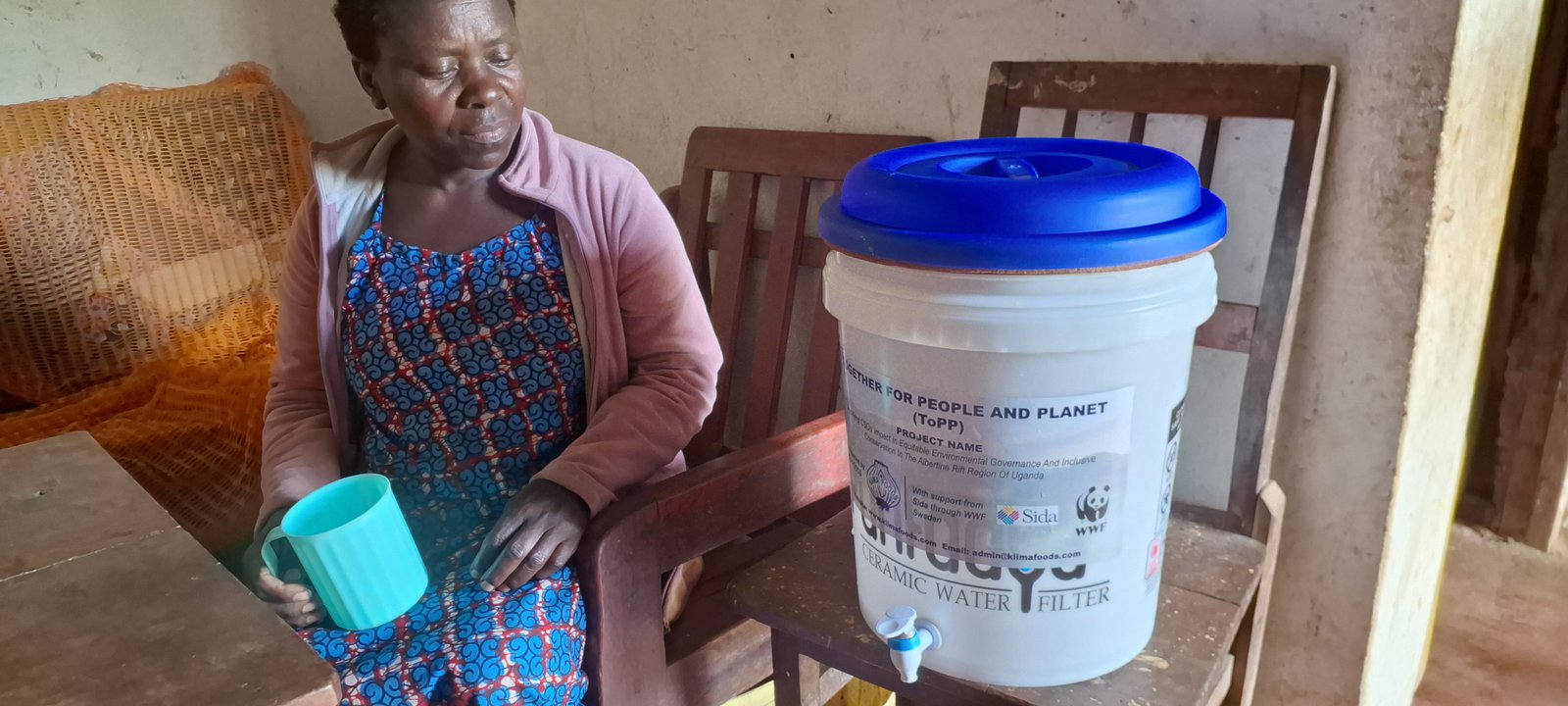
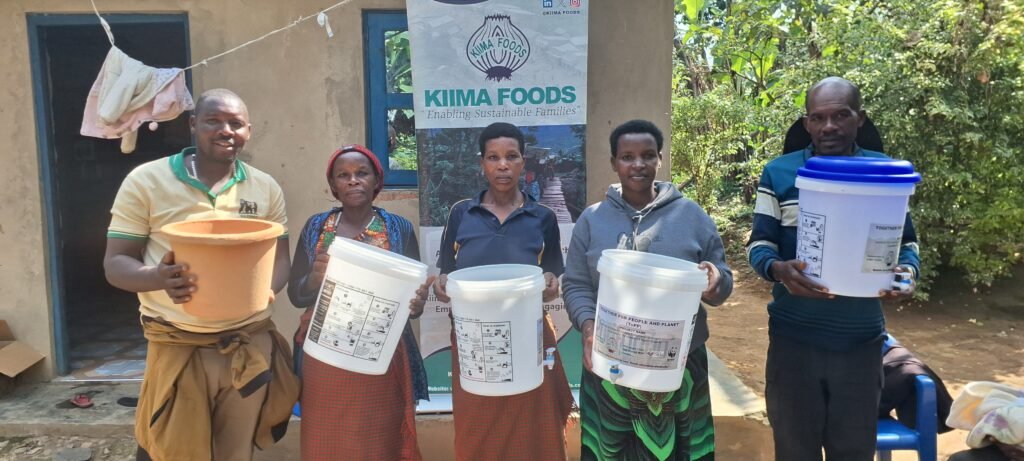
Clean water for drinking without boiling using firewood
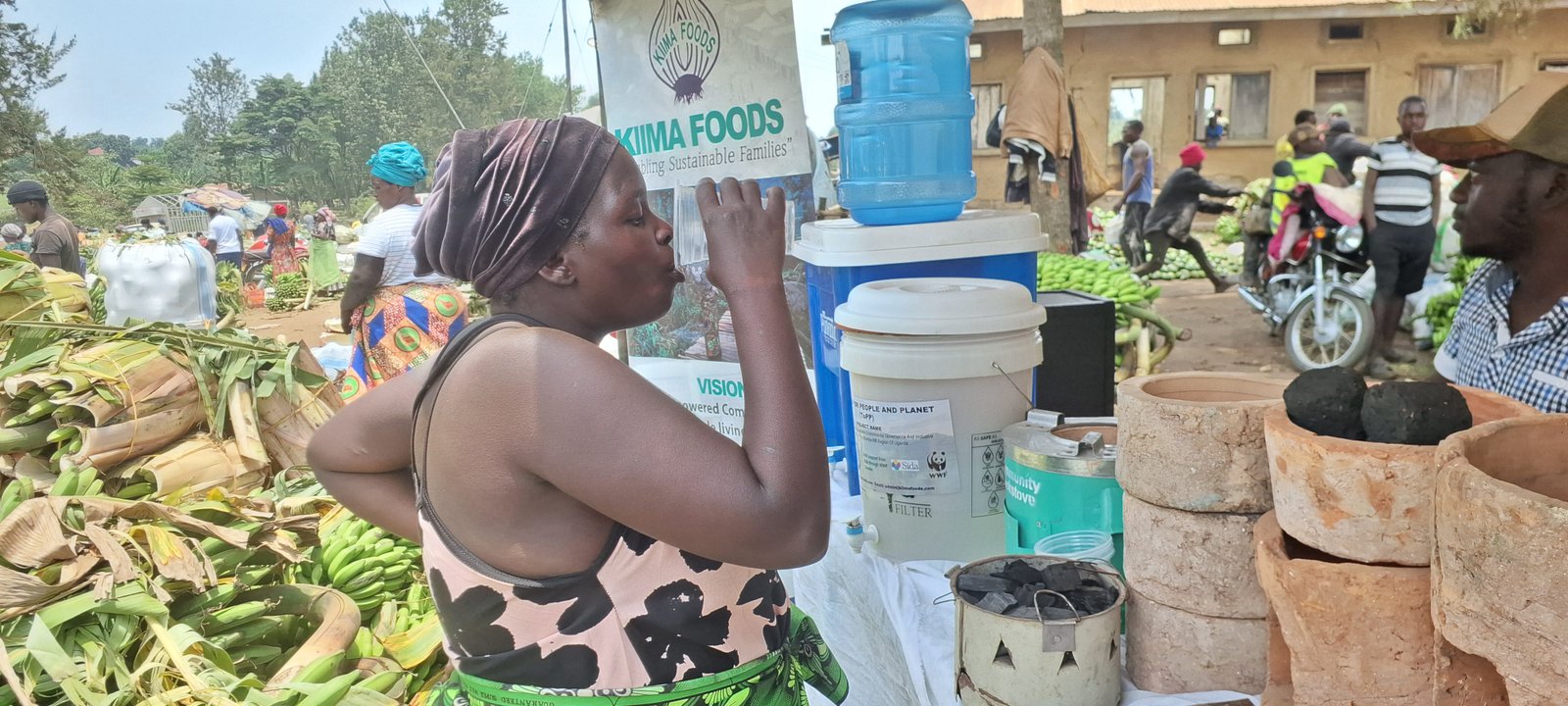
Demostrating to communities on clean alternatives
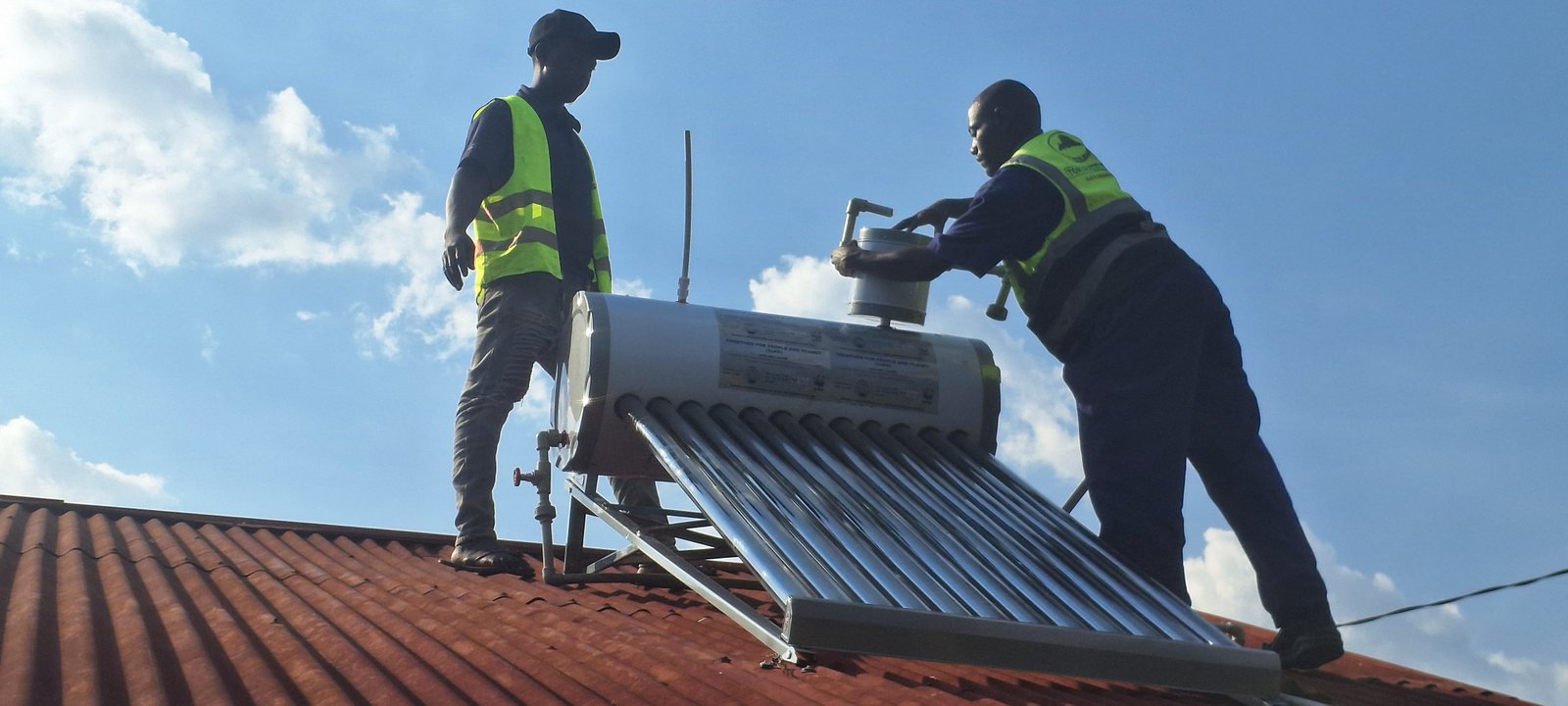
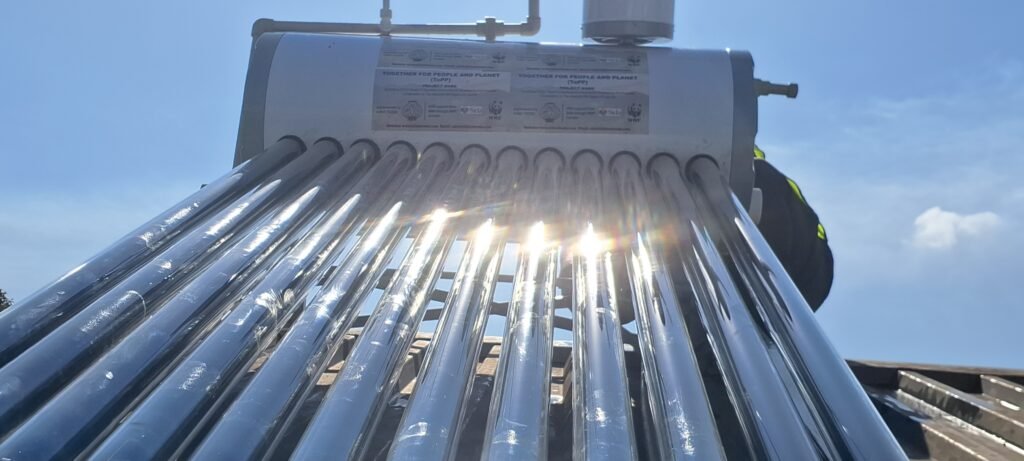
solar water Heater for health Institutions
Most primary health facilities, particularly Health Center IIIs lack access to hot water. In maternal health wards, hot water is useful for maintaining proper hygiene during childbirth, cleaning medical equipment, and providing post-delivery bathing for new mothers. To meet this basic need, mothers and caretakers are forced to bring or purchase firewood to boil water at health centers using inefficient fire stoves. This creates a severe financial strain on families who are already struggling to pay basic medical and transportation costs. More so institutions such as schools and health centers are among the single consumers of biomass fuel in the Albertine Rift. Because surrounding communities and facilities border the Rwenzori Mountains National Park, tree cutting for firewood sales and everyday institutional cooking/boiling contributes directly to forest loss, biodiversity depletion, soil erosion, and accelerated climate change.
Kiima Foods and partners therefore are demonstrating to health facilities the use of solar water heater to bring access to hot water which is useful for maintaining proper hygiene during childbirth, cleaning medical equipment, and providing post-delivery bathing for new mothers and Clean and safe water for drinking to institutions and Communities